Canopy Pruning in Allentown, PA
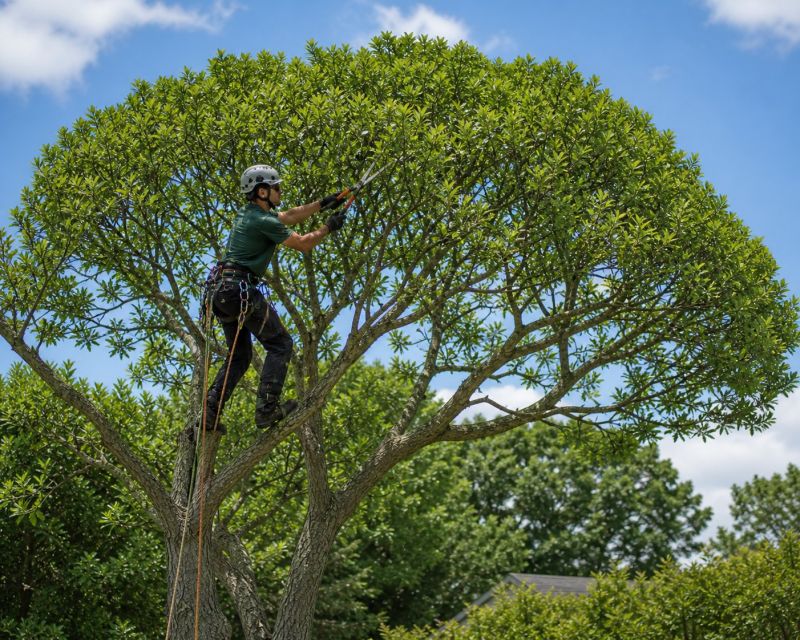
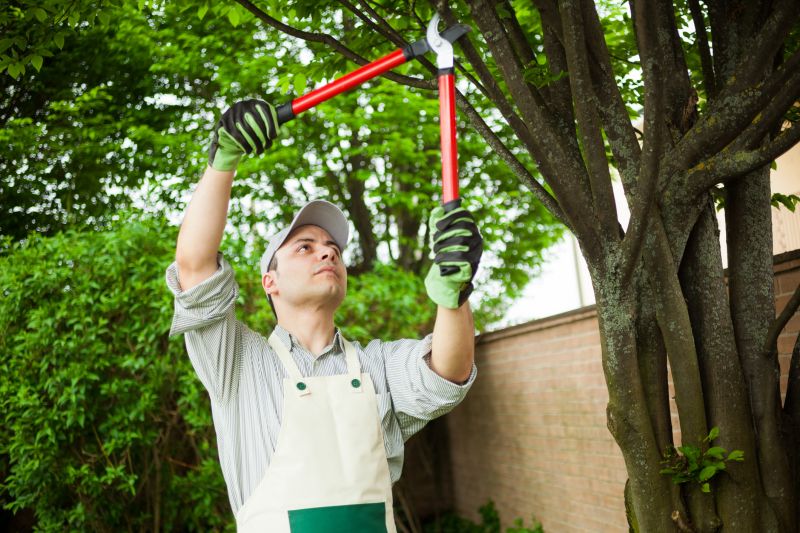
Canopy pruning services involve carefully trimming and shaping the upper parts of trees to promote healthy growth and improve overall appearance. This type of pruning focuses on the crown, branches, and foliage, helping to remove dead or diseased limbs, reduce weight, and prevent potential hazards such as falling branches. Projects can range from selective thinning of dense canopies to more extensive shaping to enhance the tree's structure and aesthetics, making it a popular choice for maintaining mature trees and ensuring safety on residential properties.
Property owners interested in canopy pruning should consider the size and type of their trees, as well as the specific goals for their landscape. It’s important to understand that pruning can influence the tree’s health and growth pattern, so knowing what to expect in terms of maintenance and potential effects on the tree’s vitality is helpful. Proper pruning can improve sunlight penetration, air circulation, and overall tree stability, contributing to a safer and more attractive property environment.
Many property owners in Allentown, PA look into Canopy Pruning for repairs, replacements, upgrades, and appearance-related improvements.
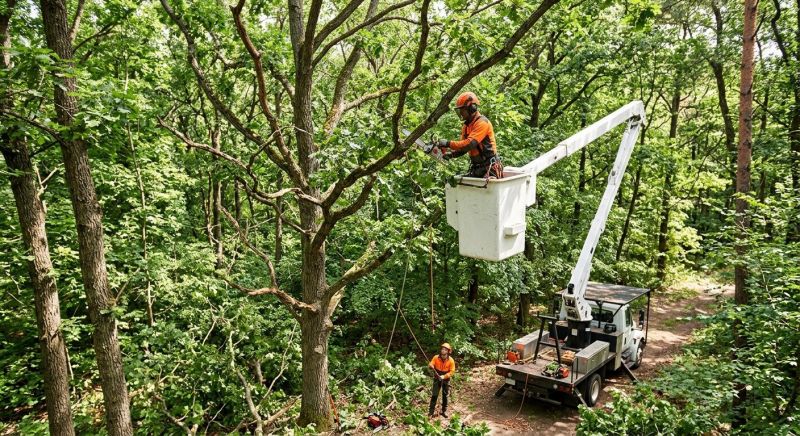
Canopy Pruning Benefits
Proper canopy pruning promotes healthy growth and enhances the appearance of trees in your landscape.
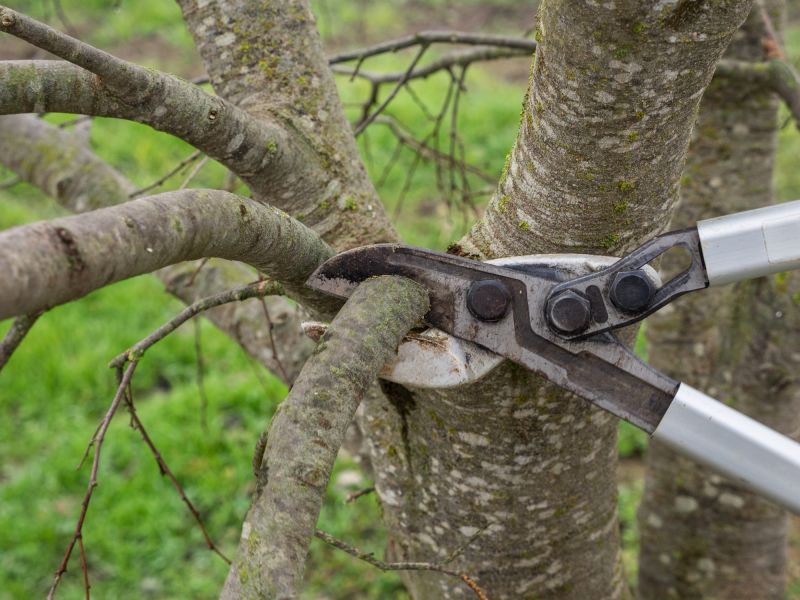
Common Canopy Projects
Services often include thinning dense branches, removing deadwood, and shaping trees for safety and aesthetics.
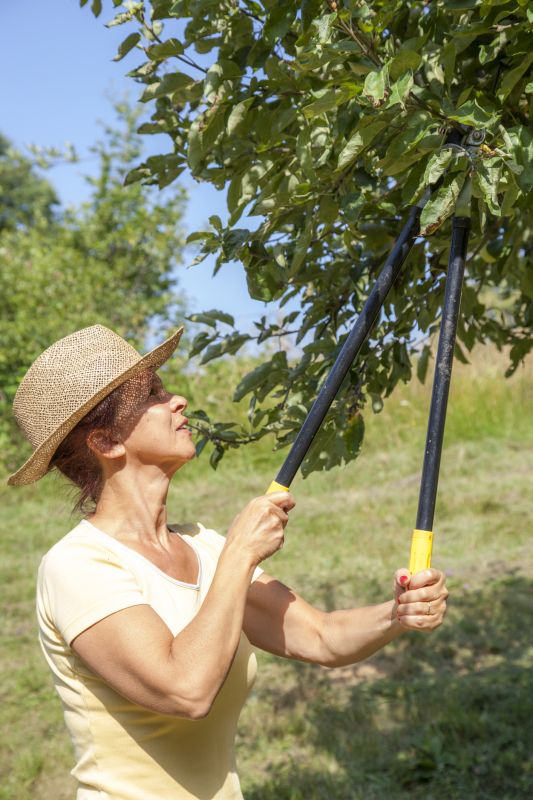
Why Regular Maintenance Matters
Routine canopy pruning helps prevent storm damage and extends the lifespan of mature trees in allentown area properties.
Canopy Pruning in Allentown, PA
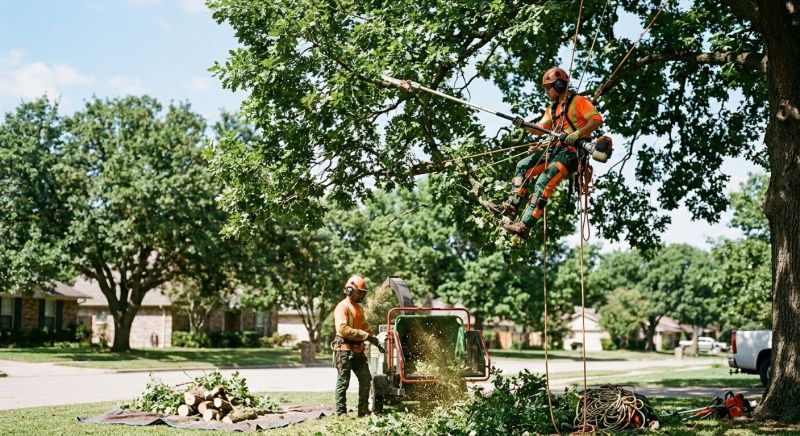
Canopy pruning services involve carefully trimming and shaping the upper parts of trees to promote healthy growth and improve overall appearance. This type of pruning focuses on the crown, branches, and foliage, helping to remove dead or diseased limbs, reduce weight, and prevent potential hazards such as falling branches. Projects can range from selective thinning of dense canopies to more extensive shaping to enhance the tree's structure and aesthetics, making it a popular choice for maintaining mature trees and ensuring safety on residential properties.
Property owners interested in canopy pruning should consider the size and type of their trees, as well as the specific goals for their landscape. It’s important to understand that pruning can influence the tree’s health and growth pattern, so knowing what to expect in terms of maintenance and potential effects on the tree’s vitality is helpful. Proper pruning can improve sunlight penetration, air circulation, and overall tree stability, contributing to a safer and more attractive property environment.
Many property owners in Allentown, PA look into Canopy Pruning for repairs, replacements, upgrades, and appearance-related improvements.
Common Canopy Pruning Jobs
Canopy Pruning - selectively removing branches to improve canopy structure and health.
Tree Thinning - reducing dense foliage to allow better light penetration and airflow.
Structural Pruning - shaping and supporting canopy growth to prevent branch failure.
Deadwooding - removing dead or diseased branches to promote overall tree vitality.
Formative Pruning - guiding young canopies for proper development and growth habits.
Overgrown Canopy Reduction - reducing canopy size to improve safety and aesthetics.
Canopy Pruning Questions
What is canopy pruning? Canopy pruning involves trimming the upper branches of trees to improve health, shape, and safety.
Why should property owners consider canopy pruning? It helps maintain tree stability, encourages healthy growth, and enhances the appearance of the landscape.
What types of trees benefit from canopy pruning? Most mature trees, including oaks, maples, and fruit trees, can benefit from this type of pruning.
When is the best time for canopy pruning? The optimal time is typically during late winter or early spring before new growth begins.
Request Canopy Pruning in Allentown, PA
Use the quote form on this page to share the basics of your project and request more information for the type of work you need.